Joint pain is a common issue that can make everyday activities challenging. While surgery is sometimes considered, physiotherapy offers a safe, non-invasive alternative. By strengthening muscles, improving flexibility, and correcting posture, physiotherapy can relieve pain, restore movement, and improve quality of life—without the risks of surgery.
1. Understanding Joint Pain
Joint pain can arise from arthritis, sports injuries, or age-related wear and tear. It often starts as mild discomfort but can progress to stiffness, swelling, and limited mobility. Osteoarthritis, which gradually wears down joint cartilage, is a common cause, affecting millions worldwide and reducing the ability to stay active.
Physiotherapy targets the root cause of joint pain rather than simply masking symptoms. By improving strength, flexibility, and mobility, it helps patients regain function and move more comfortably. At Manipal Rehabilitation Centre, we create personalized physiotherapy plans to support recovery and prevent the need for surgery.
2. Key Physiotherapy Techniques for Joint Pain Relief
Physiotherapists use a variety of approaches tailored to each patient’s condition:
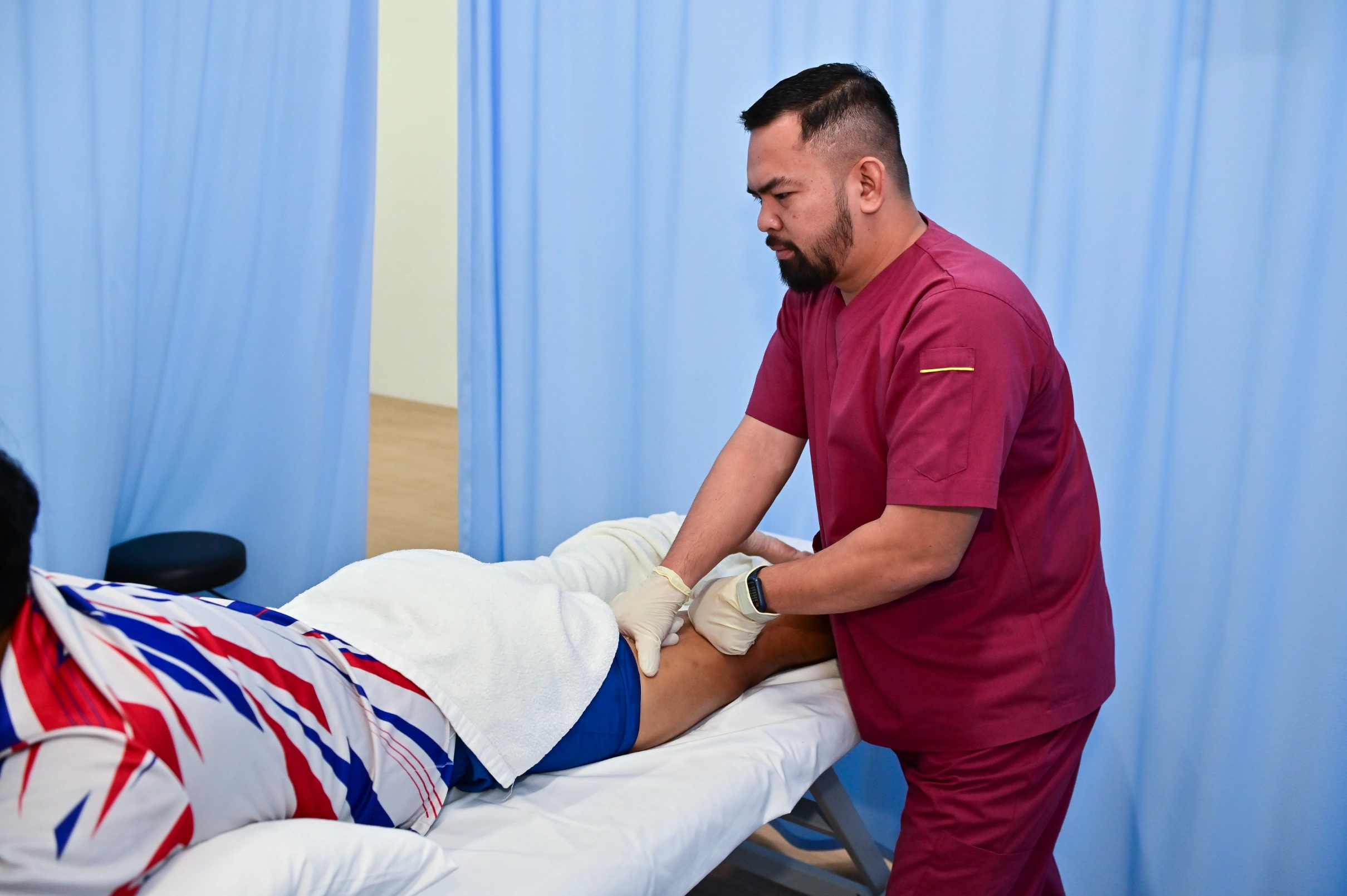
- Manual Therapy: Hands-on techniques, including joint mobilization and soft tissue manipulation, reduce stiffness and restore normal movement.
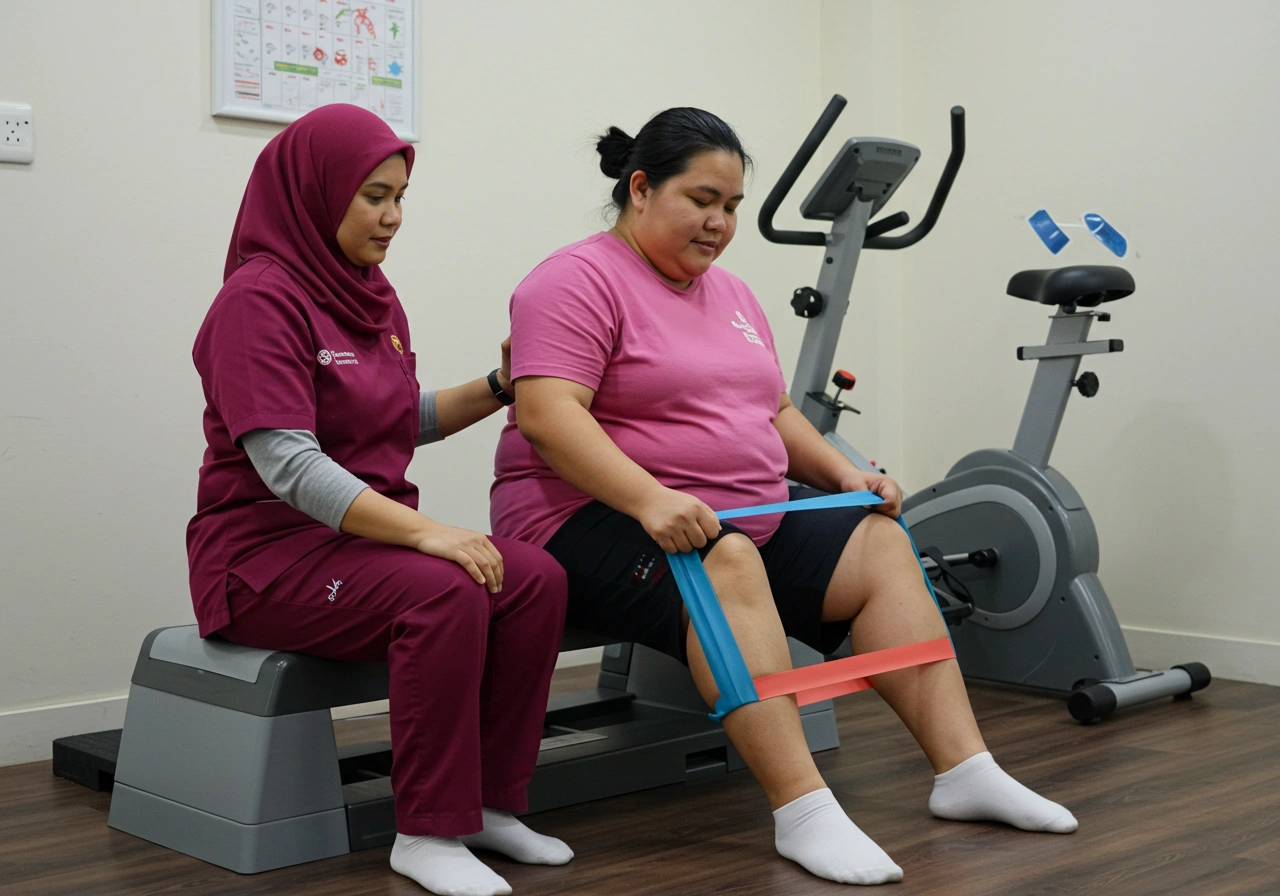
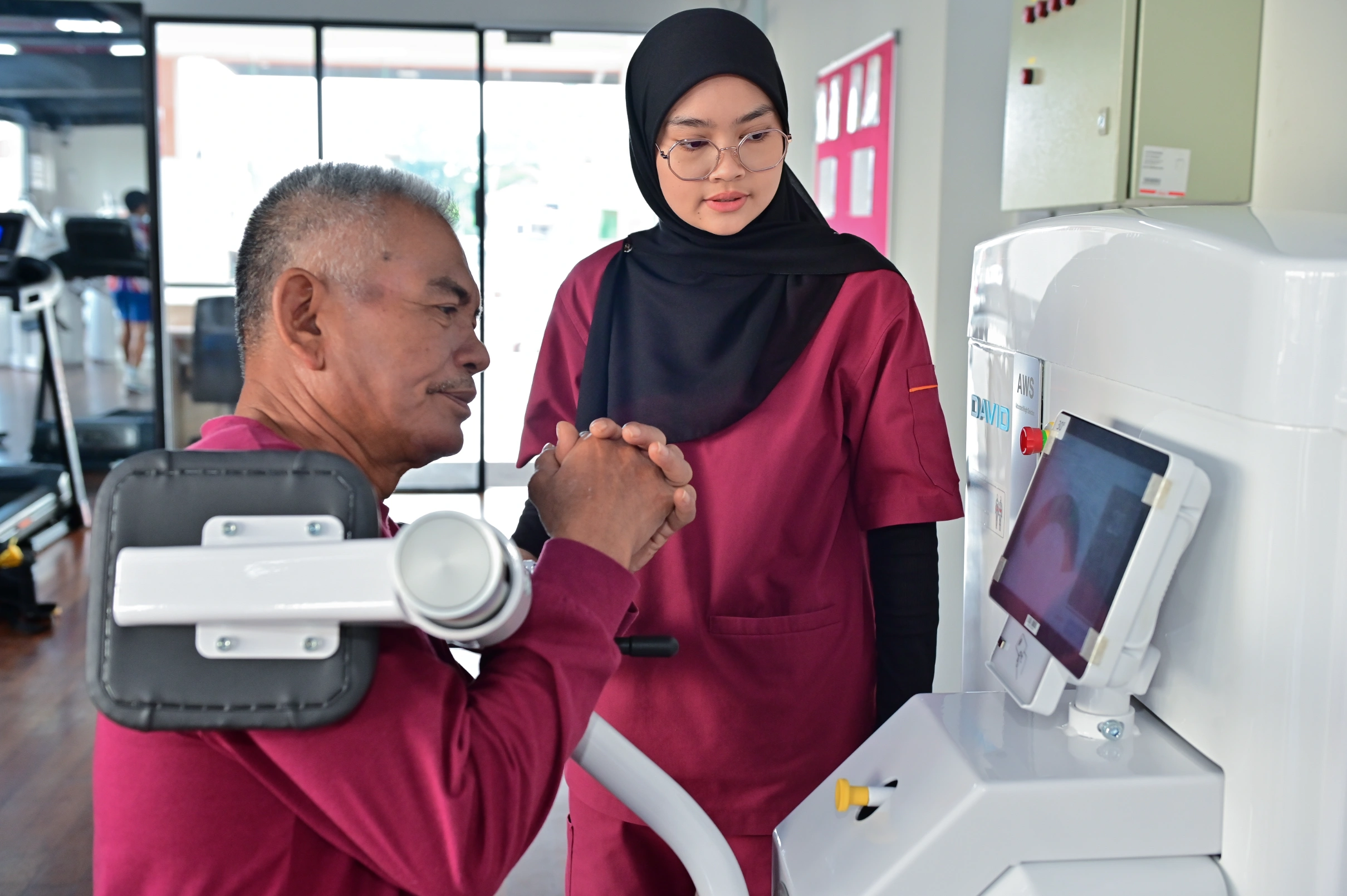
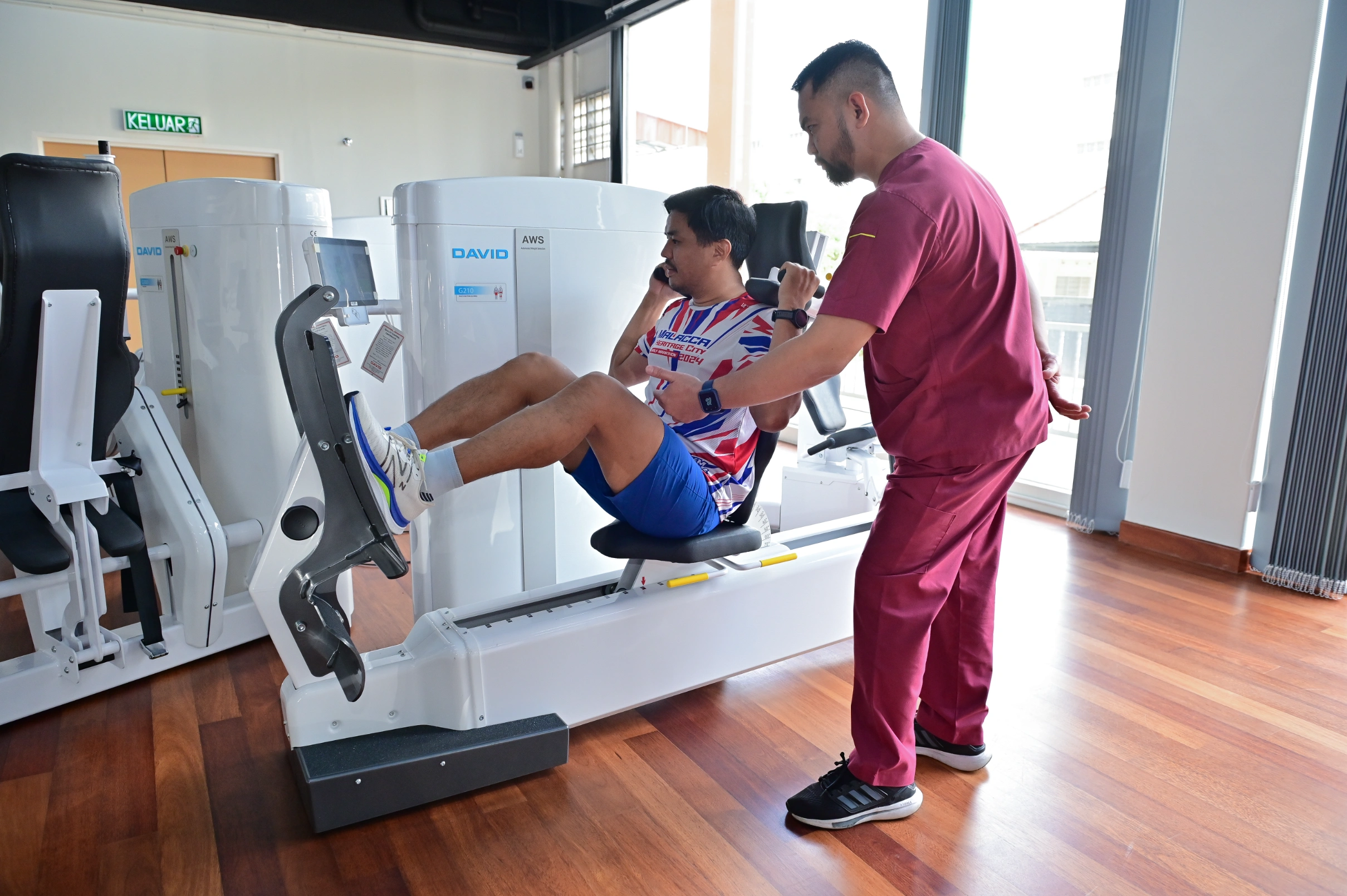
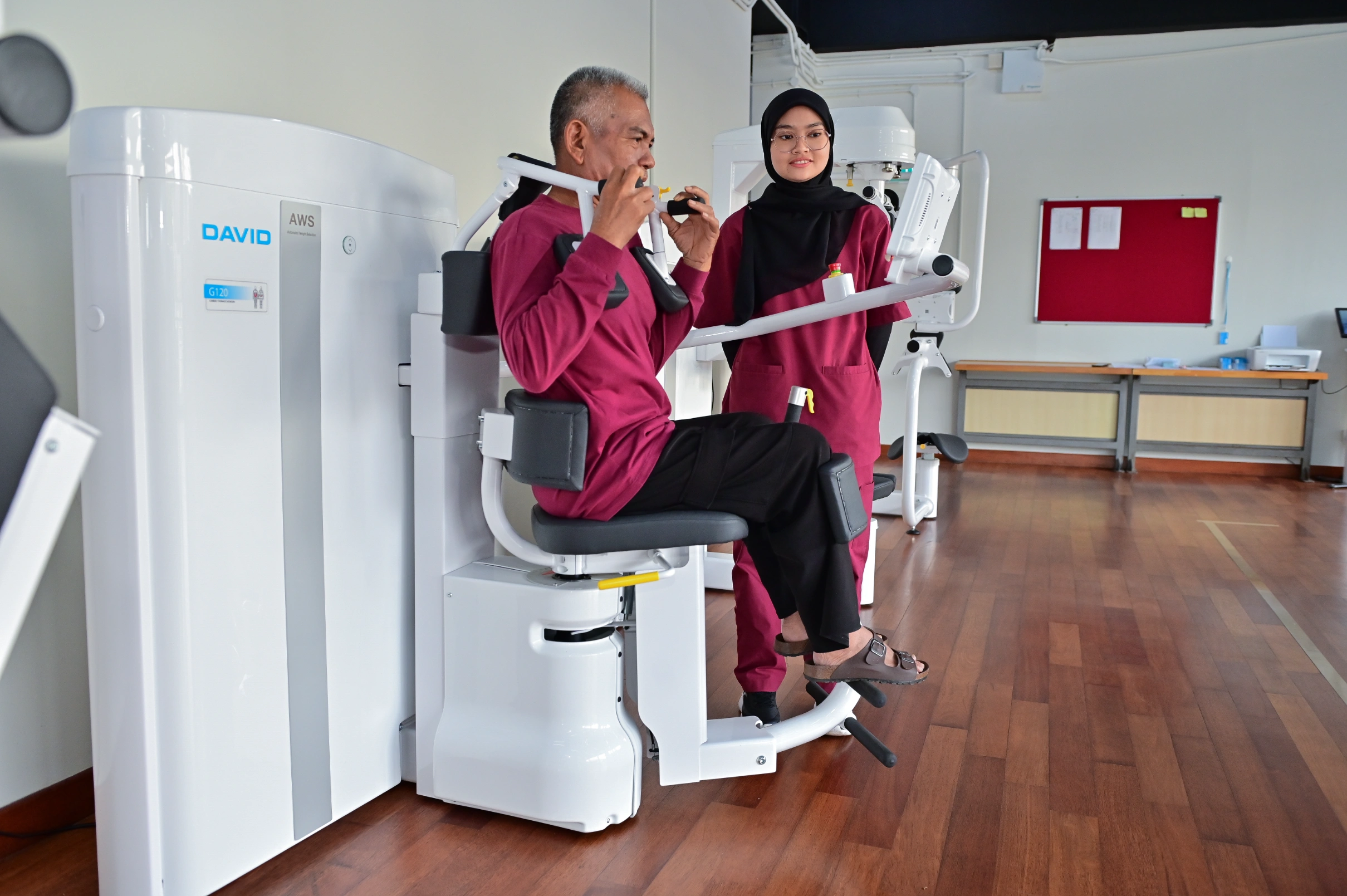
- Strengthening Exercises: Targeted exercises support muscles around the joint, relieving stress and preventing further injury.
- Stretching and Flexibility: Stretching routines improve range of motion, reduce discomfort, and enhance joint function.
These techniques work together to restore mobility, reduce pain, and help patients return to daily activities safely.
3. Preventing Surgery Through Physiotherapy
One of the greatest benefits of physiotherapy is its ability to prevent or delay surgery. By strengthening muscles, improving joint function, and addressing the causes of pain, physiotherapy can slow the progression of conditions like osteoarthritis.
Even after surgery, physiotherapy is crucial for recovery. It helps regain strength, restore mobility, and reduce complications, ensuring a smoother rehabilitation journey. At Manipal Rehabilitation Centre, we support patients at every stage—from pain management to post-operative recovery.
FAQ
How does physiotherapy help with joint pain?
It targets the root causes using exercises and manual therapy to reduce pain, improve flexibility, and restore joint mobility. Personalized treatment plans focus on improving joint function.
Is physiotherapy effective for osteoarthritis?
Yes. It strengthens muscles around the joint, reduces stress on the joint, improves flexibility, and can delay the need for surgery.
Can physiotherapy prevent joint surgery?
Often, yes. By improving mobility, reducing pain, and strengthening muscles, physiotherapy can help individuals avoid invasive procedures like joint replacement.
How long to see results?
Results vary by condition. Acute injuries may improve after a few sessions, while chronic conditions like arthritis may require consistent therapy over weeks or months.
What happens during a session?
Sessions include assessment, targeted exercises, manual therapy, stretching, and guidance on lifestyle changes and home exercises for faster recovery.
Physiotherapy offers an effective, non-invasive solution for joint pain. By targeting the underlying causes, enhancing flexibility, and strengthening muscles, it can provide long-term relief and help patients regain an active, pain-free lifestyle.
Get Started:
Take the first step toward improved mobility today. Contact Manipal Rehabilitation Centre at 012-409 6826 or WhatsApp 012-827 4055 for more information.